
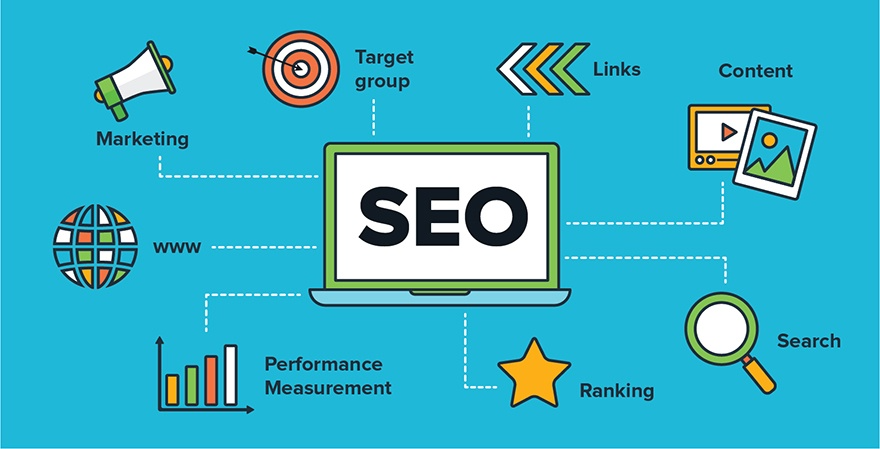
In today’s digital-first world, getting noticed online can make or break a business. Whether you’re running a small startup or managing a growing brand, showing up on the first page of Google results is often the difference between success and obscurity. That’s where Search Engine Optimization (SEO) comes in.
SEO is not as complicated as it might seem from the outside. While advanced strategies exist, there are simple, practical steps any business can take to start seeing results quickly. The key is to focus on fundamentals that search engines value—relevance, quality, and user experience.
Supporting Brands in Digital Growth
For businesses looking to strengthen their online presence, Worth IT Solutions offers innovative digital services tailored for growth. Their platform enables online brands to create engaging visuals and strategies quickly and effectively. With a focus on efficiency and accessibility, they’ve built a global reputation as a trusted partner in helping businesses establish stronger digital identities and reach wider audiences.
Start with Keyword Research
Keywords are the foundation of SEO. They’re the terms your potential customers type into search engines. Using the right keywords helps ensure your website shows up when people are actively searching for what you offer.
- Use free or affordable tools like Google Keyword Planner or Ubersuggest.
- Focus on long-tail keywords (phrases like “affordable SEO for small businesses”) that are less competitive but highly targeted.
- Balance search volume and relevance—choose keywords that people are searching for but that directly match your business.
Optimize On-Page Content
Once you know your target keywords, it’s time to optimize your website pages. On-page SEO refers to the adjustments you make directly to your website to improve its visibility.
- Place keywords naturally in titles, headers, and body text.
- Use meta titles and descriptions that include keywords and encourage clicks.
- Add internal links to other relevant pages on your site to keep users engaged longer.
- Use alt tags for images so search engines understand your visuals.
Improve Website Speed and Mobile Friendliness
Search engines prioritize websites that provide a smooth user experience. If your site is slow or doesn’t display well on mobile, it will hurt your rankings.
- Compress images to reduce load times.
- Choose a reliable hosting provider.
- Use a responsive design so your site adapts to any device.
- Test your website using Google’s Mobile-Friendly Test.
Create Valuable Content
Search engines reward websites that consistently provide useful, relevant content. Blogs, videos, and infographics not only attract visitors but also keep them coming back.
- Focus on solving problems your audience cares about.
- Publish consistently—quality and frequency both matter.
- Repurpose content into multiple formats to reach different types of users.
- Encourage engagement by adding calls to action (CTAs).
Build Backlinks
Backlinks—links from other websites to yours—act as votes of confidence. The more quality backlinks you have, the more trustworthy your site appears to search engines.
- Reach out to industry blogs and offer guest posts.
- Share your content on social media to increase visibility.
- List your business on reputable directories.
- Build relationships with other businesses for cross-linking opportunities.
Track and Adjust
SEO isn’t a “set it and forget it” task. It requires monitoring and adjusting as you go.
- Use Google Analytics to track website traffic and user behavior.
- Check Google Search Console for keyword performance and site issues.
- Review results monthly and update content or strategies as needed.
- Watch competitor websites to see what works for them.
Common SEO Mistakes to Avoid
While starting SEO is straightforward, there are pitfalls to be aware of:
- Keyword stuffing: Overusing keywords makes content look spammy.
- Ignoring local SEO: Especially for small businesses, optimizing for local searches is crucial.
- Skipping technical SEO: Broken links, missing meta tags, or messy URLs can hurt rankings.
- Expecting instant results: SEO takes time, often months, before big changes appear.
Conclusion
Getting started with SEO doesn’t have to be overwhelming. By focusing on simple steps—like researching keywords, optimizing on-page content, improving site performance, and creating valuable content—you can quickly set your website on the path toward better visibility and more traffic.
For businesses seeking a competitive edge, platforms like Worth IT Solutions can help bring strategy and creativity together, ensuring your brand stands out in today’s crowded digital landscape. Remember, SEO is a journey. Start small, stay consistent, and watch your online presence grow stronger every day.